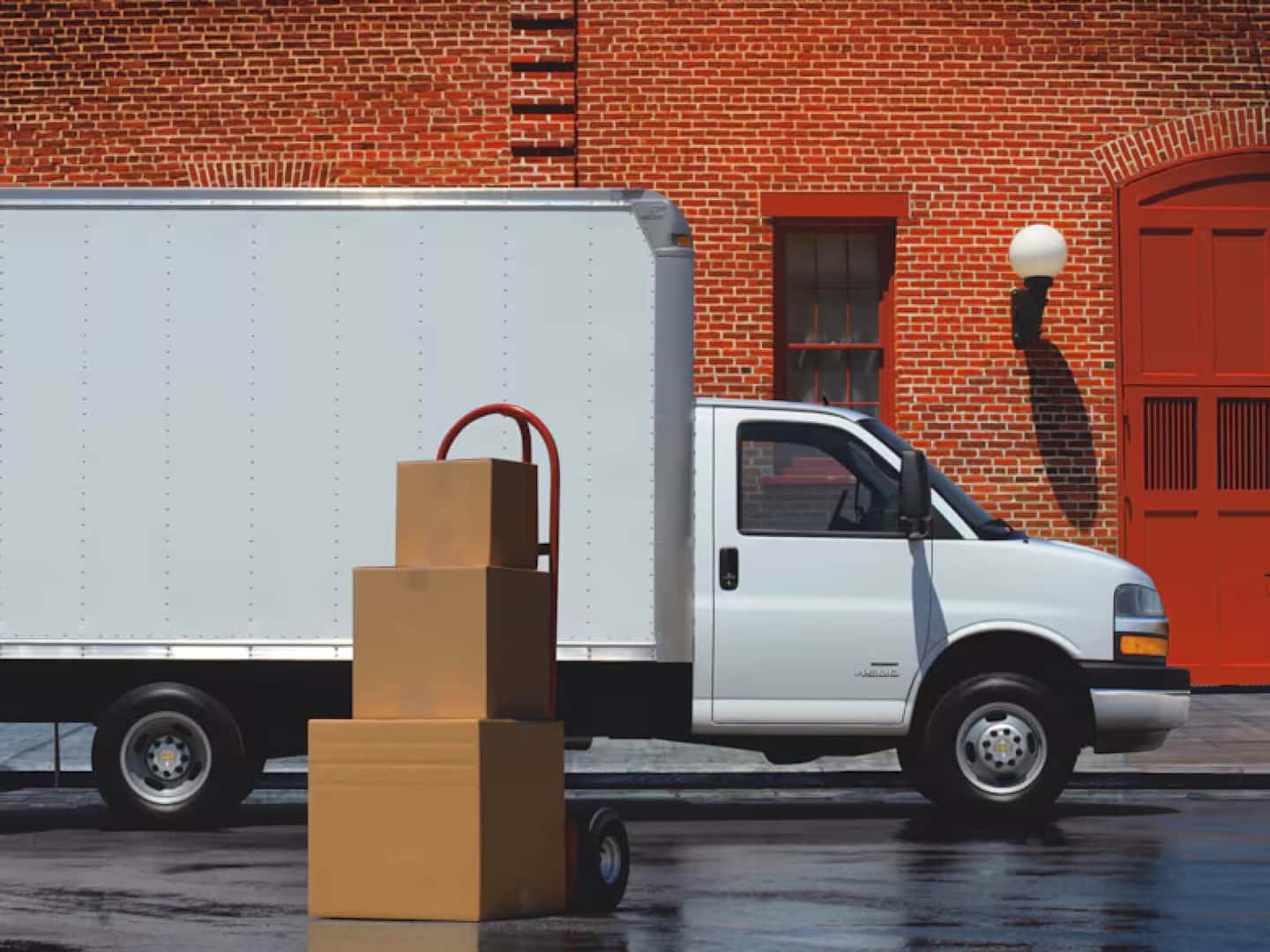
What Is A Box Truck? How To Choose The Right One

What Is A Box Truck?

A box truck is one of the most widely used commercial vehicles on the road today, serving as the backbone of countless industries and prized for its adaptability, protected cargo space, and easy drivability. This guide from Jim Ellis Commercial highlights the different kinds and key specifications, along with insights to help you choose the best box truck for your enterprise.

What Is a Box Truck?

Also known as a straight truck or cube truck, a box truck features a fully enclosed cargo area mounted on a chassis. They're typically classified by length and corresponding weight class, which helps determine what each one is designed for.

But what are box trucks used for? There are actually several needs for them for a broad spectrum of tasks, including moving everyday non-perishable goods such as electronics, retail merchandise, machinery parts, and equipment, as well as carrying palletized shipments. Other common uses include:
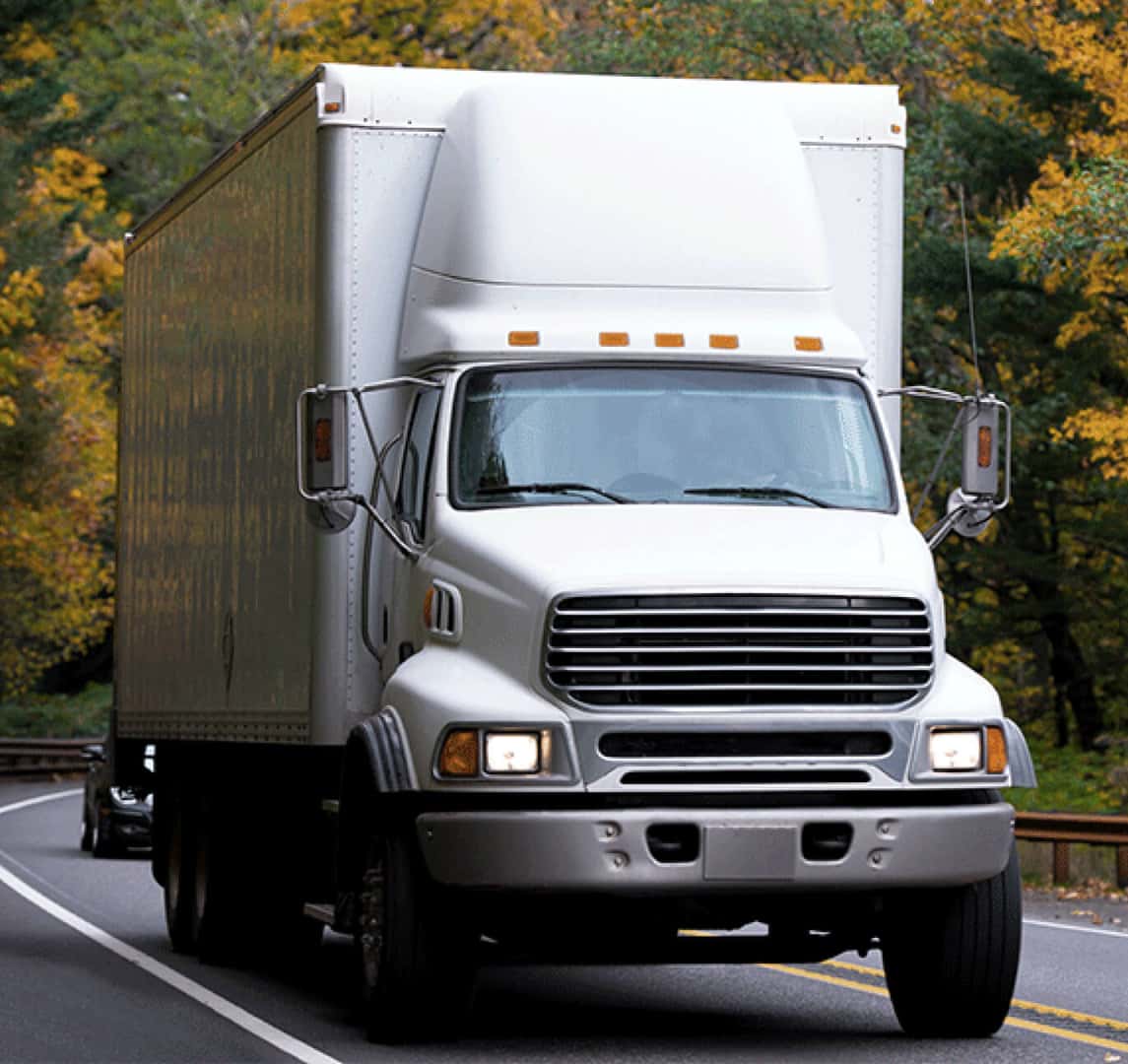
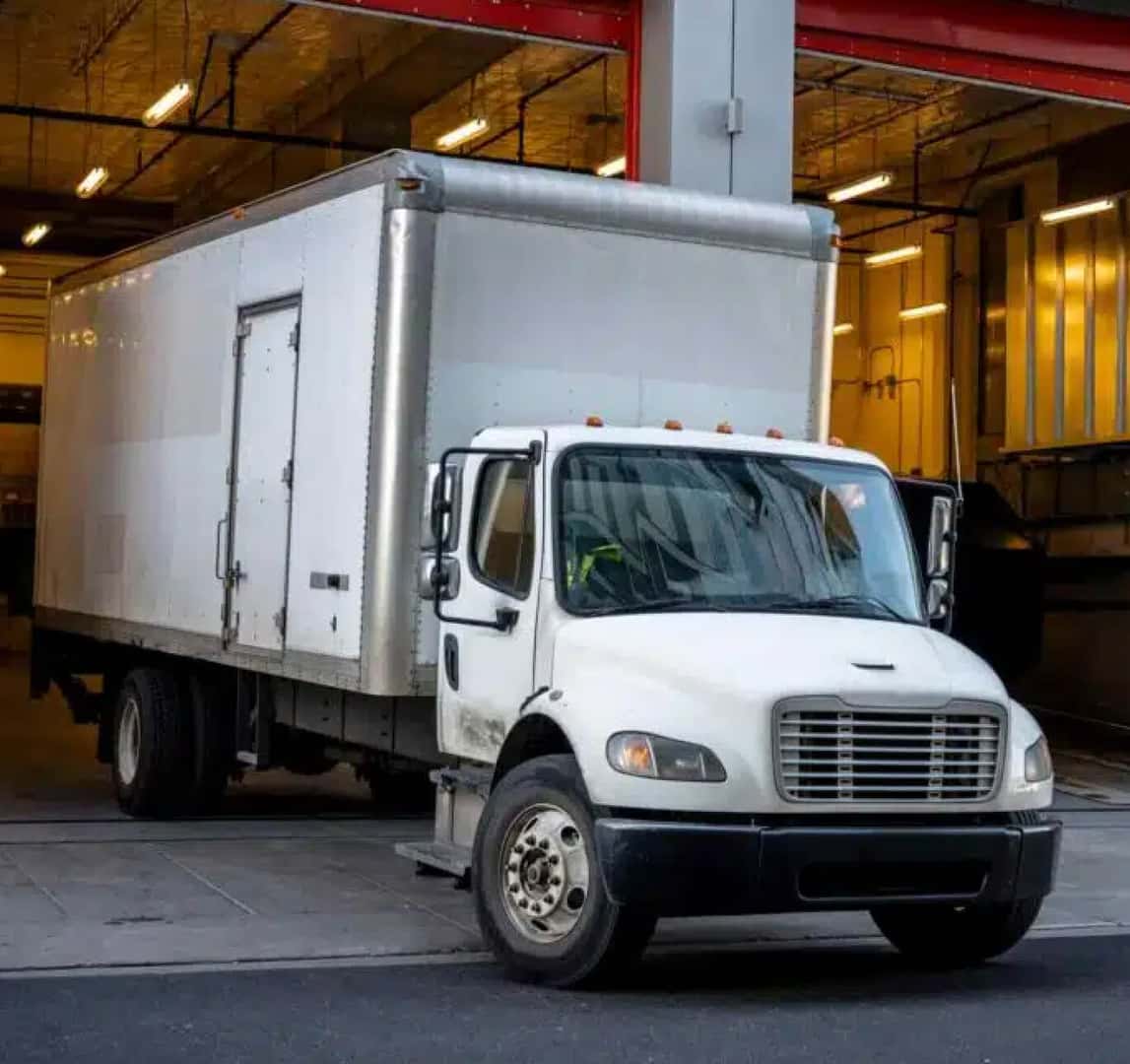
  • Moving Trucks: Rented or operated for household and office relocations, available in various sizes to accommodate different amounts of furniture and belongings.
  • Delivery Trucks: Utilized by companies to transport goods directly to homes or businesses, including parcels, furniture, and other products.
  • Utility and Service Trucks: Outfitted for specialized trades such as mobile workshops, landscaping, plumbing, electrical work, or general contracting.
  • Specialty Trucks: Tailored for niche operations, including pop-up shops, on-site catering, mobile clinics, and broadcast or production setups.
What Is a Box Truck?
Why Consider a Box Truck?

Why Consider a Box Truck?

  • Access Anywhere: Navigate tight metropolitan routes, residential areas, and busy urban zones with ease, with many models not requiring a CDL.
  • Ultimate Versatility: From small packages to oversized cargo, cube trucks adapt to your load. Their flexible interior lets you handle a variety of freight without missing a beat.
  • Mobile Marketing: Turn every delivery into a mobile advertisement. Your box truck can be a rolling showcase for your business, promoting your brand wherever it goes.
  • Simple Maintenance: Less complex than larger industrial rigs, box trucks can be easier and cheaper to maintain. Routine inspections and pre-trip checklists keep your fleet dependable and ready for the road.
  • Quick Loading & Unloading: Rear doors, lift gates, and spacious cargo areas make handling freight fast and efficient, reducing downtime and keeping customers happy.
  • Regulation Friendly: Built to fit within urban and suburban road regulations, box trucks give you legal peace of mind while maximizing operational efficiency.
  • Tax Benefits: Purchasing a box truck could qualify for a tax deduction, helping you reduce taxable income while investing in a vehicle that drives your organization forward.

What is the Best Box Truck to Buy?

Choosing the best box truck for sale comes down to understanding your specific needs – from the size of your loads to the type of venture you run. Standard box trucks are grouped into three main categories: light-duty, medium-duty, and heavy-duty. Here's a quick look at the types of box trucks and their typical length, payload, and cargo volume.

← Drag to scroll →

Light-Duty Box Trucks Medium-Duty Box Trucks Heavy-Duty Box Trucks
Length 10-16 ft 16-26 ft 26 ft +
Class Type Class 2 - 3 Class 4 - 6 Class 7 or higher
GVWR 6,001-14,000 lbs 14,001-26,000 lbs 26,001 lbs +
Cargo Volume 402 - 800 cu ft 800 - 1,682 cu ft 1,682 cu ft +
Typical Payload Capacity 2,800 - 5,000 lbs1 5,000 - 15,000 lbs1 15,000 lbs +1
Common Uses
  • Great for small-scale deliveries and light cargo.
  • Easy to maneuver in city streets and tight spaces.
  • Often can be driven without a special license.
  • A versatile option for growing businesses.
  • Can handle larger deliveries and cargo.
  • Suitable for transporting light equipment.
  • Built for the largest and heaviest loads.
  • Ideal for large-scale deliveries and freight.
  • Typically requires a commercial driver’s license (CDL).
Box Truck Models
  • Chevrolet Express 3500 Cutaway
  • Chevrolet Low Cab Forward 3500 HG
  • GMC Savana 3500 Cutaway
  • Ford E-Series Cutaway E-350 / E-450
  • Ford Transit CC-CA
  • Chevrolet Low Cab Forward 4500
  • Chevrolet Low Cab Forward 5500
  • Chevrolet Low Cab Forward 6500
  • GMC Savana 4500 Cutaway
  • Ford E-Series Cutaway E-450
  • Chevrolet Low Cab Forward 7500
CDL Required No No Yes

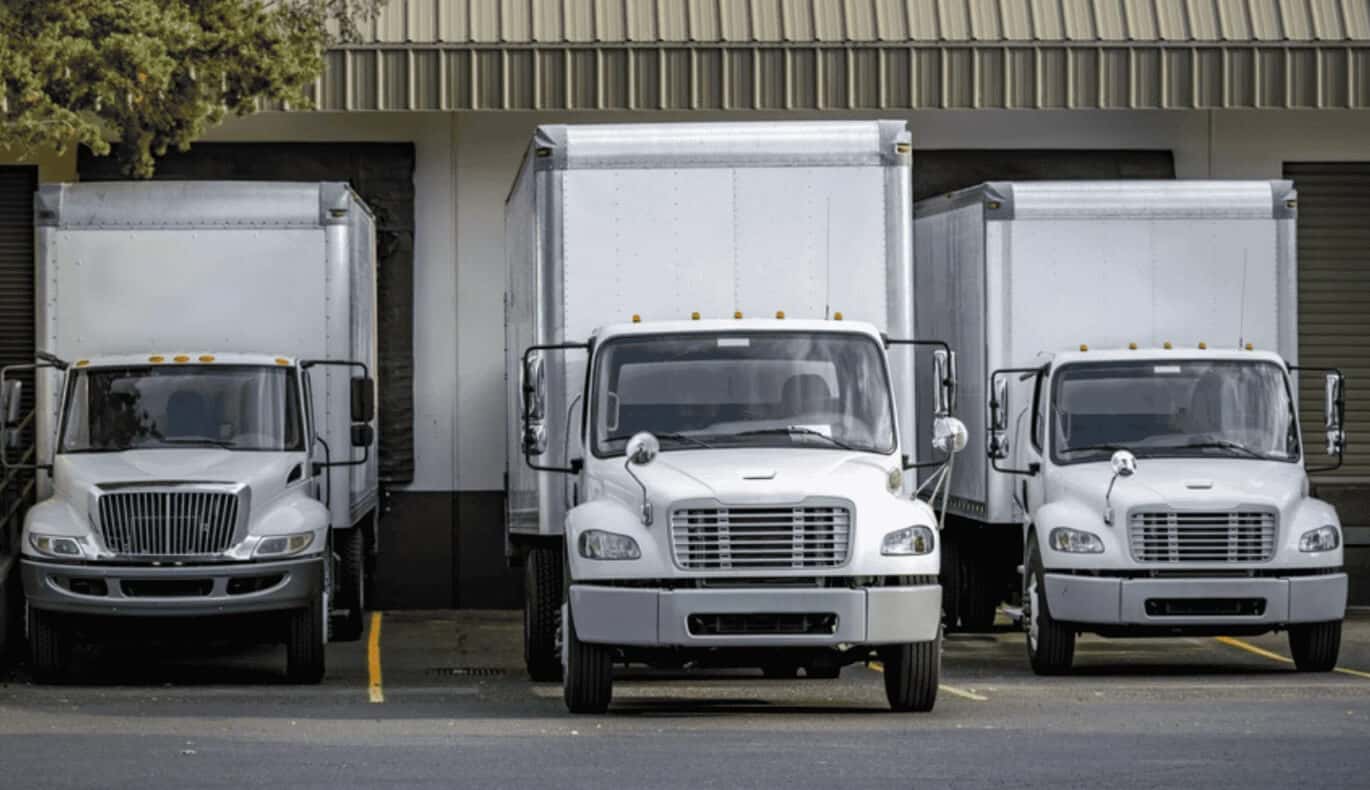
Find Your Ideal Box Truck at Jim Ellis Commercial in Atlanta, GA

If you're on the hunt for a dealer with a large commercial truck inventory, Jim Ellis Commercial has you covered. Our inventory has a wide variety so that customers can find the perfect work hauler for their business or personal needs. Don't forget to inquire about our new vehicle specials, designed to make getting behind the wheel of your ideal box truck easier and more affordable.
Find Your Ideal Box Truck at Jim Ellis Commercial in Atlanta, GA

Frequently Asked Questions

What class is a 26-foot box truck?

In terms of regulations, box trucks fall within Class 3 to Class 7 based on their GVWR, which ranges from 12,500 to 33,000 pounds. A 26-foot box truck is generally considered a medium-duty truck and typically belongs to Class 6 if its GVWR is between 19,501 and 26,000 pounds, making it suitable for heavier local and regional hauling without reaching the heavy-duty category.

What is the biggest box truck you can drive without a CDL?

The biggest box truck you can drive without a CDL is typically a 26-foot truck as long as its GVWR is 26,001 pounds or less. Box trucks exceeding a GVWR of 26,001 pounds will require a Commercial Driver's License (CDL). For reference, the GVWR can usually be found on a manufacturer's label located on the driver's side door or door frame.


1Max payload varies based on accessories and vehicle configuration.

Contact Us

Jim Ellis Commercial Division 34.080170, -83.987494.