
Choosing the best farm truck depends entirely on your needs: whether it's towing, hauling, navigating rough terrain, or all of the above. This guide covers full-size, heavy-duty, and flatbed trucks, plus key buying considerations like towing, payload, durability, and off-road performance. Let our team at Jim Ellis Commercial help you select the best option for your agricultural operations.
| Truck Model | Category | Max. Towing Capacity | Max. Payload Capacity | Best For: |
|---|---|---|---|---|
| Ford F-150 | Light-Duty | 13,500 lbs1 | 2,440 lbs2 |
|
| Chevrolet Silverado 1500 | Light-Duty | 13,300 lbs3 | 2,260 lbs4 |
|
| GMC Sierra 1500 | Light-Duty | 13,300 lbs5 | 2,441 lbs6 |
|
| Toyota Tundra | Light-Duty | 12,000 lbs7 | 1,850 lbs8 |
|
| Ford Super Duty | Heavy-Duty | 22,000 - 40,000 lbs1 | 8,000 lbs2 |
|
| Chevrolet Silverado HD | Heavy-Duty | 22,420 - 36,000 lbs3 | N / A |
|
| GMC Sierra HD | Heavy-Duty | 22,390 - 36,000 lbs5 | N / A |
|
| Ford Chassis Cab | Heavy-Duty Commerical | 26,600 - 34,700 lbs1 | 15,140 lbs2 |
|
| Chevrolet Silverado HD Chassis Cab | Heavy-Duty Commerical | N / A | 7,329 lbs4 |
|
| GMC Sierra HD Chassis Cab | Heavy-Duty Commerical | N / A | 7,329 lbs6 |
|
You have several options when you're looking for the best truck for farming, each with its own set of advantages. Let's take a closer look at some of the top styles.
Full-size pickup trucks are the workhorses of the farming world. They are known for their versatility and can handle a wide range of tasks both on and off the job. Some popular models in this category include the Ford F-150, Chevrolet Silverado 1500, GMC Sierra 1500, and Toyota Tundra.
These pickups offer selectable towing and payload capacities, making them suitable for hauling lighter farming equipment and supplies, as well as pulling trailers when needed. Light-duty, full-size models often offer towing capabilities ranging from around 8,000 pounds to almost 14,000 pounds,9 depending on the make and model. Additionally, you'll find payload capacities ranging from roughly 1,500 to 2,500 pounds.8
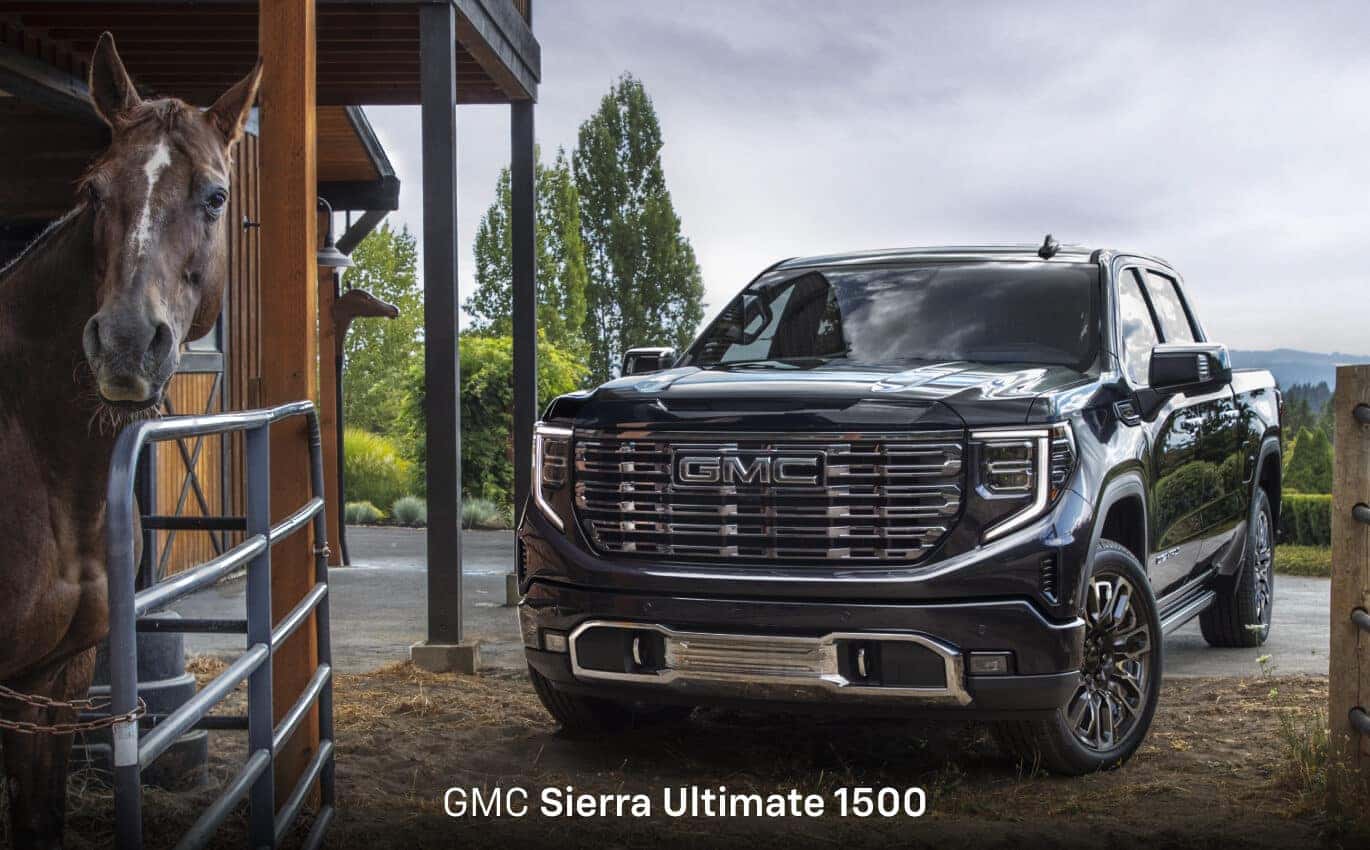
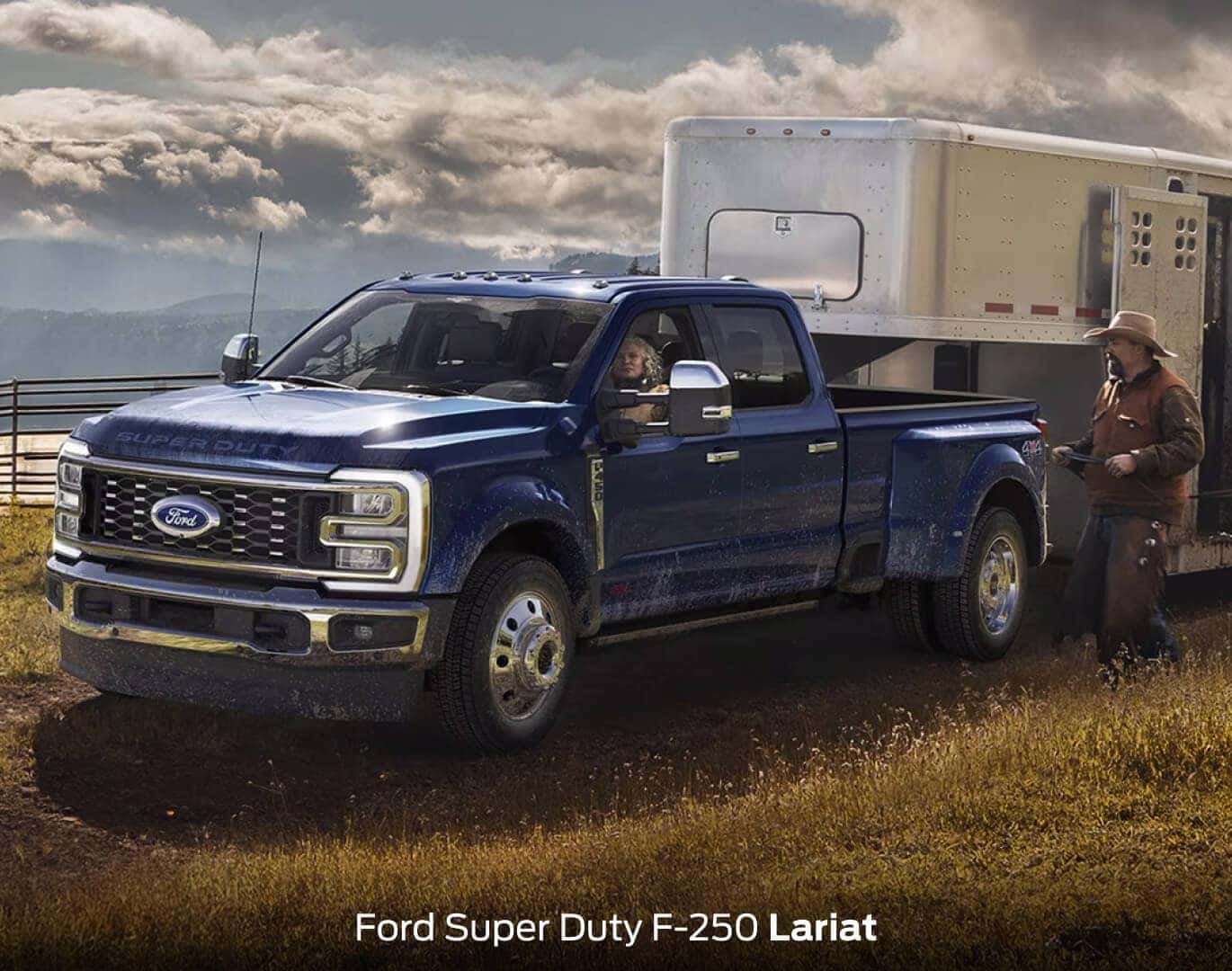
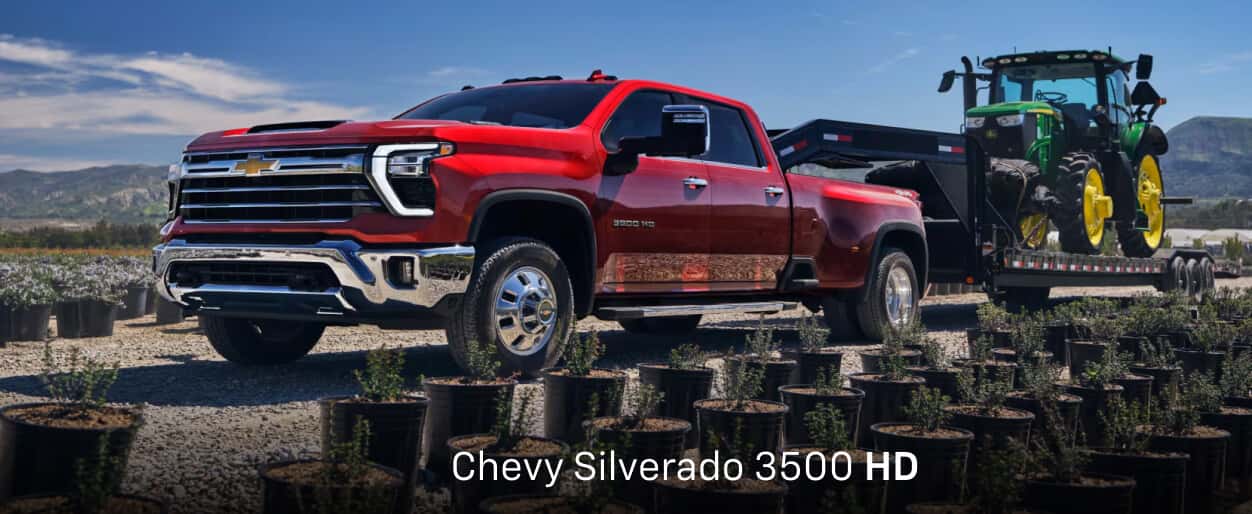
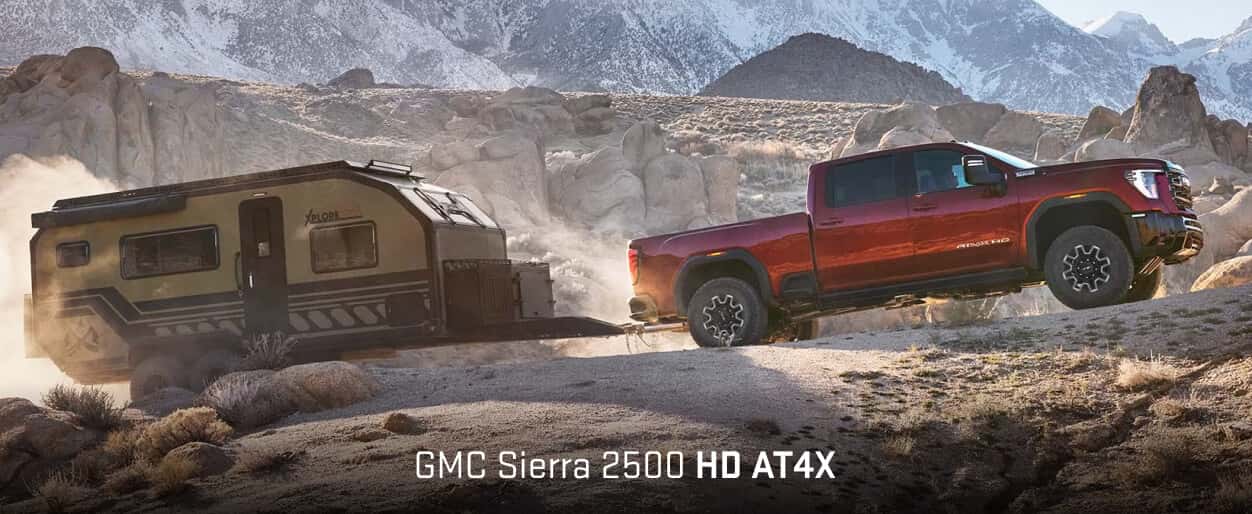
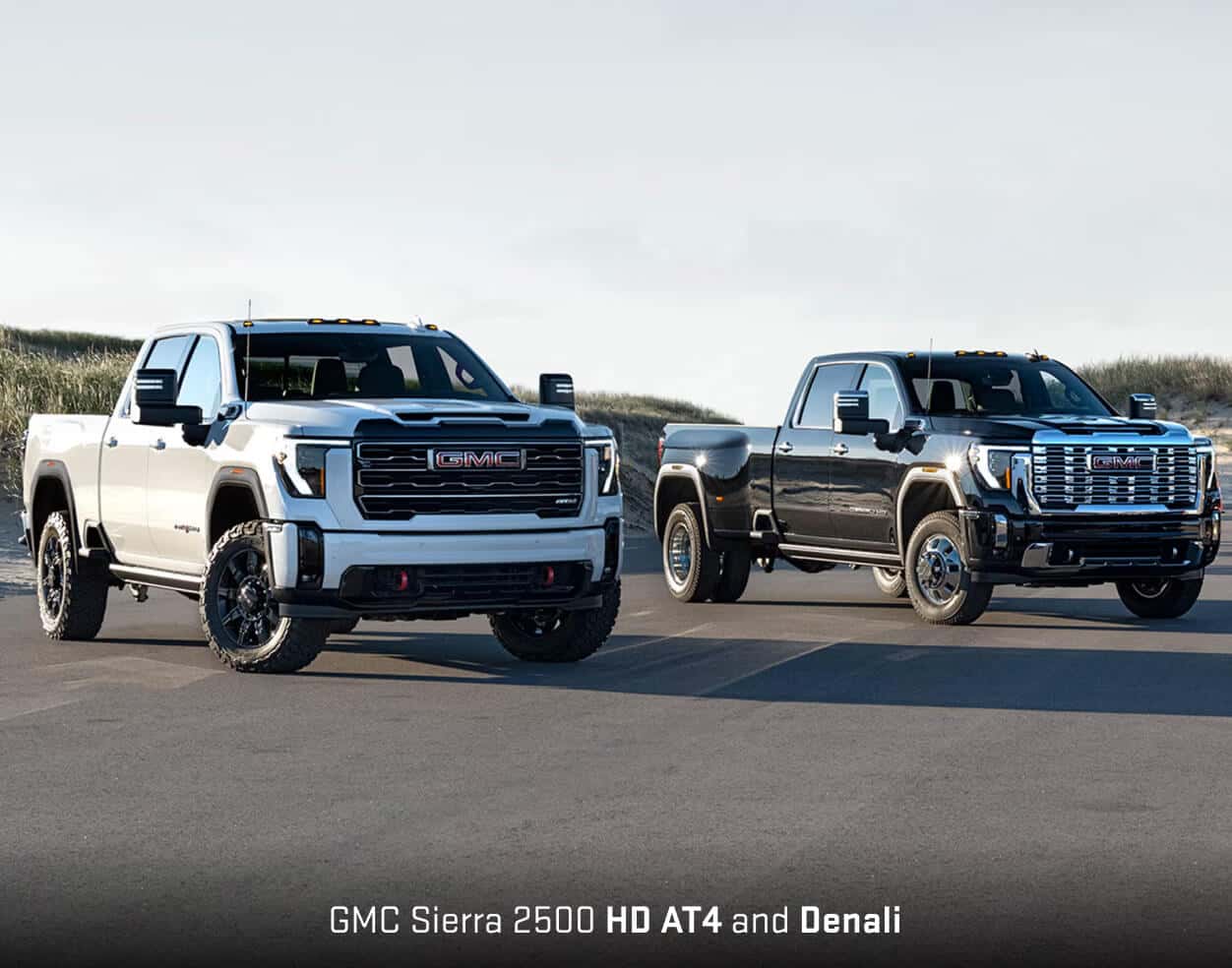
Heavy-duty pickup trucks are the way to go when you need to pull serious loads or tackle demanding tasks. Models like those mentioned below are all in the heavy-duty segment:
These powerhouse machines often boast jaw-dropping towing and payload capacities, making them ideal for hauling large trailers and carrying substantial loads of feed, hay, equipment, and other items.
The Ford F-450 Super Duty truck delivers up to an incredible 40,000 pounds of towing strength.1 You'll also find ranges from 20,000 pounds to 36,000 pounds3,5 with other makes and models, like the Chevrolet Silverado HD and GMC Sierra HD trucks. Visit our location today to learn more information on tow trucks with heavy hauling capabilities.
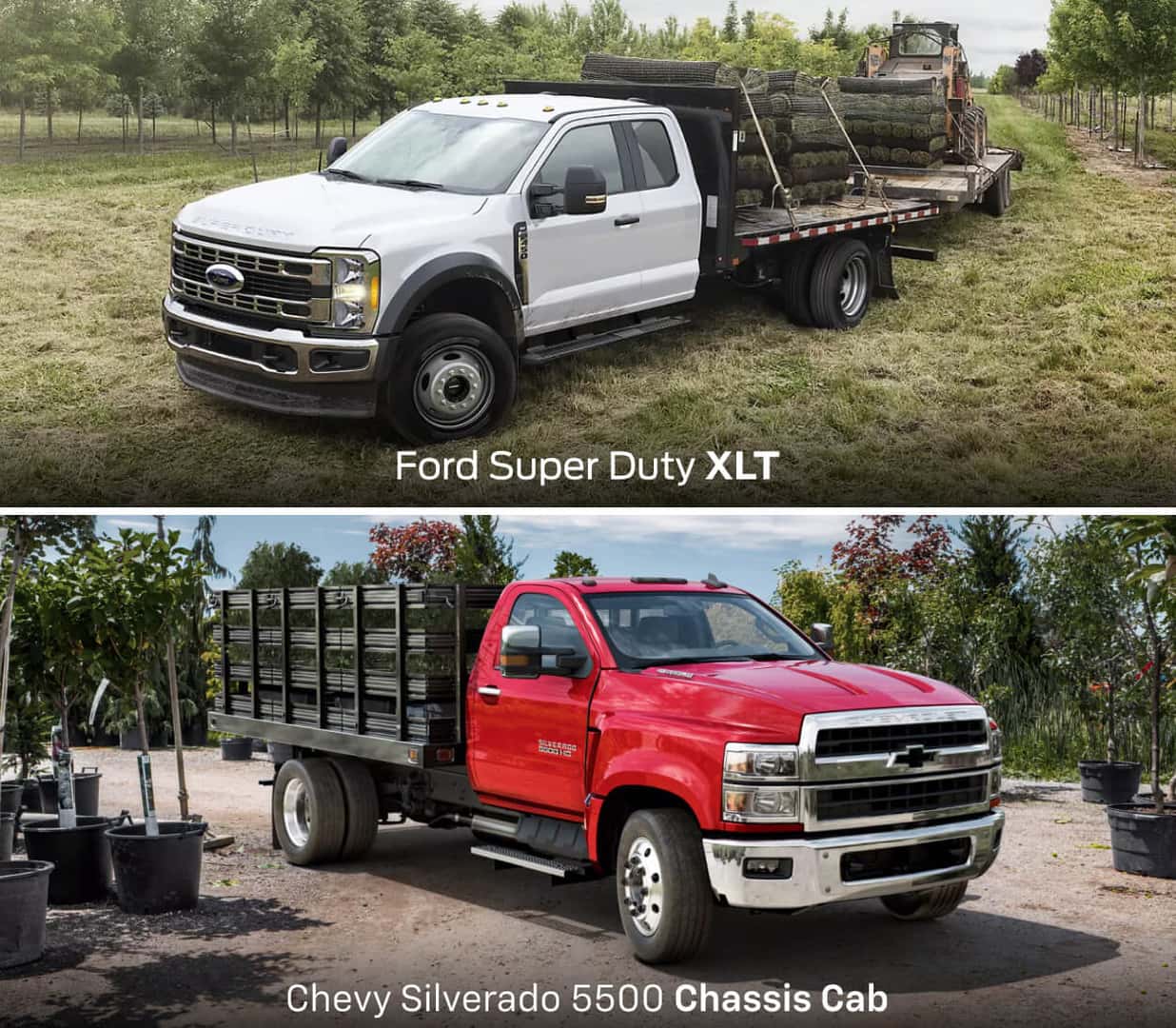
Flatbed trucks are tailor-made for specific farming tasks. They provide an open, flat surface that can accommodate bulky items like bales of hay, pallets of feed, or even small vehicles. These trucks are great for towing gooseneck trailers, as well.
Flatbed models come in multiple configurations and capacities. You can often find heavy-duty in flatbed configurations, but the most common option is to upfit a robust chassis cab model with a personalized flatbed solution.
Consider the bed size, drivetrain, and payload capacity to get the most out of these types of commercial vehicles. Here are some in-demand trucks that can be built with flatbeds:
The best trucks for farmers excel in multiple areas, but everyone in the agricultural industry has different priorities. Keep these factors in mind when shopping for a new or used truck for your farm.
The engine is the heartbeat of your farm truck. For tasks requiring low-end torque for towing or higher gas mileage for everyday operations, a well-matched powertrain decides how confidently your truck pulls heavy equipment, how smoothly it powers through long workdays, and how reliably it responds when conditions get demanding.
The ability to tow trailers and carry heavy loads is crucial on most farms. Make sure your chosen truck has the towing and payload capacities necessary for your specific tasks. Heavy-duty trucks excel in this department, but full-size pickups can also handle moderate towing and hauling needs.
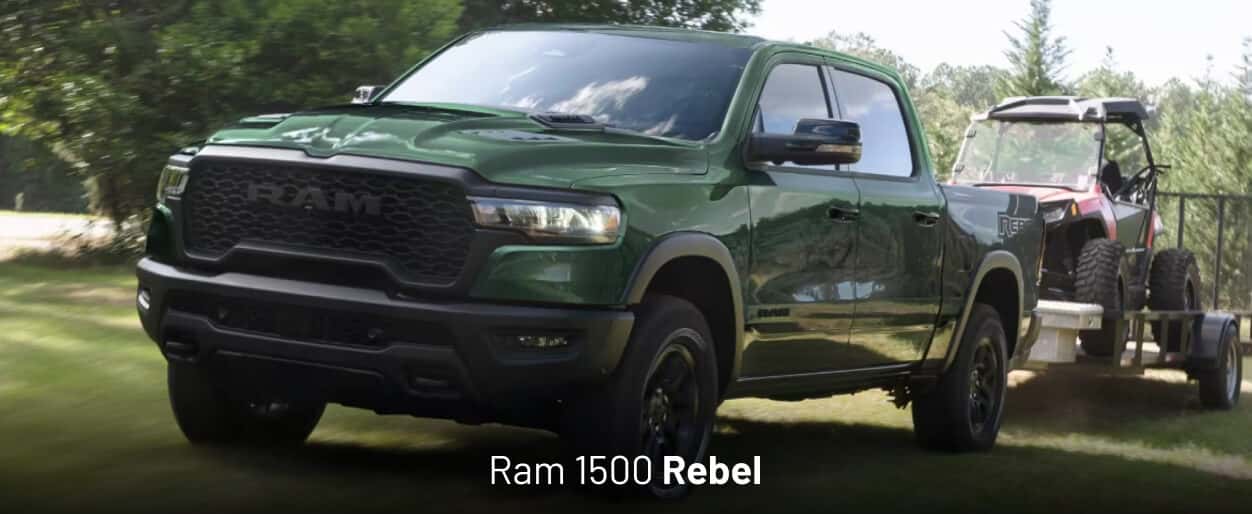
Agricultural settings can often have uneven terrain, so choosing a truck that performs well in off-road conditions is essential. Look for trucks with four- or all-wheel-drive systems to handle dirt roads, hilly areas, and muddy or slippery fields.
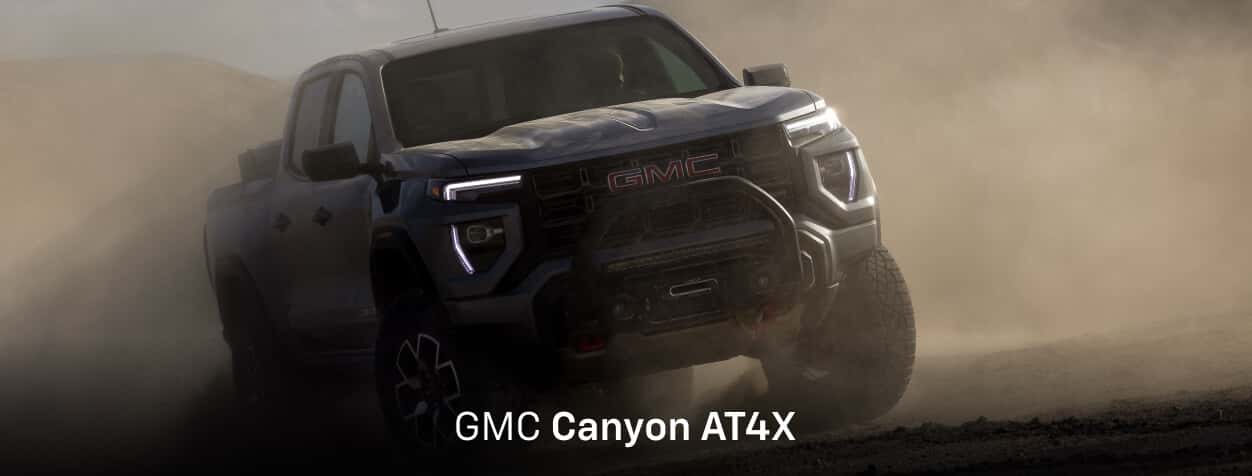
Farming is a tough job, and you'll need a quality, well-constructed truck to handle it. Exposure to mud, dust, and rough handling can do a number on a vehicle. Models from automakers like Ford, GMC, and Chevrolet are generally highly regarded for their rugged builds, strong frames and platforms, and robust engines.
Lastly, it's important to understand the total ownership cost of your farm truck, which extends well beyond the sticker price, before making a decision. Here are several agricultural trucks' total ownership cost factors to take note of:
Explore all vehicles for sale at Jim Ellis Commercial to see which truck options pique your interest.
There are many ways to customize a model to serve as the best ranch truck for your needs, improving efficiency and keeping you from getting stuck in sticky situations or on challenging terrain. Here are some farm service truck ideas for customizable features that could help you get the most out of your work-focused automobile:
For more farm service truck setup information, contact us at Jim Ellis Commercial. We can help you customize your farm truck. Let us know what you need, and our team will do our best to make sure you are confident and satisfied with your model.
The decision between gas and diesel farming trucks is highly individual. Gas trucks can be convenient because of their lighter weight and simpler maintenance requirements, but they are typically less capable than diesel options. Diesel engines are known for their durability, longevity, and larger towing capacities, so they're often ideal for farmers. If you only have lighter tasks, gas may work fine. For heavy-duty jobs, choose a diesel truck.
These two factors are critical considerations when choosing a farm truck. Towing capacity determines the amount of weight you can pull, like trailers and equipment. Payload capacity determines the amount of weight you can safely carry in the bed of your truck. If you need to do a lot of hauling with your truck, opt for a model with higher payload and towing capacities.
Think about the kinds of tasks you perform routinely on your farm and the payload and towing capacity you'll need to get them done. Approximate the weight of things you'll need to tow and haul, like feed, hay, equipment, trailers, or animals. Don't max out a truck's capabilities. Opt for a truck with more capacity than you think you'll need to ensure you have plenty of hauling power.
When comparing trucks for farming, start with towing and payload capacity, as these are must-haves for hauling trailers, feed, or equipment. Ground clearance and four-wheel drive matter on rough terrain. Durability, ease of maintenance, and cab comfort can also play big roles, especially if you'll spend long days behind the wheel. Ask our team about customizations that support daily farm tasks.
A farm truck is a vehicle used to support agricultural work, often built for hauling, towing, and handling rough terrain. Trucks from many popular automakers make great farm trucks, like the Chevy Silverado, Ford F-Series, and GMC Sierra models. These trucks typically have high payload capacities and durable construction. They're used for tasks like transporting livestock and feed, pulling trailers and equipment, and driving through fields and backroads.
Trucks built for off-road performance include models like the Ford F-150 Raptor, Chevrolet Silverado ZR2, GMC Sierra AT4 and AT4X, and Toyota Tundra TRD Pro. These trucks feature specialized suspension systems, skid plates, all-terrain tires, and capable powertrains tuned for rugged environments. With performance-enhancing upgrades, especially for handling, they're ideal for tackling terrain like sand dunes and rocky trails.
Farm trucks typically have either gas or diesel engines, depending on the model. Lighter-duty pickups often come with V-6 or V-8 gas engines, while heavy-duty trucks use turbo-diesel engines for more torque and towing power. Brands like Ford, Chevy, and GMC trucks offer various engine options that each have unique strengths. Shop our selection at Jim Ellis Commercial, and contact our team to learn more.
You’ve just opted for one of our commercial vehicles and you’re getting ready to take on Atlanta jobs. If your job consists of towing a trailer or some kind of equipment behind your vehicle, you’ll likely have to opt for a trailer hitch. But, did you know that there are different types of trailer hitches?…
When you need to transport a crowd, there’s no better choice than passenger van transportation. Passenger vans offer major convenience, allowing businesses to safely carry 15 guests or more, and Jim Ellis Commercial Division has a wide variety of options for your Buford business and beyond. Take a closer look at the passenger van interior, and discover why…
Whether you’ve got a new utility body or service body accompanying you on the job, that’s just the first step in allowing yourself to get the job done right. In addition to having a dependable and capable truck, you’ll want to do your best to keep your work truck organized so that you have easy…
1When properly equipped. See dealer for details.
2Maximum payload capabilities are for properly equipped vehicles with required equipment and vary based on vehicle configuration, accessories, and option content. Horsepower, torque, payload and towing are independent attributes and may not be achieved simultaneously.
3Before you buy a vehicle or use it for trailering, carefully review the Trailering section of the Owner's Manual. The weight of passengers, cargo and options or accessories may reduce the amount you can tow.
4For comparison purposes only. See the Owner's Manual and the label on the vehicle door jamb for the carrying capacity of a specific vehicle.
5GM-estimated. Maximum trailering ratings are intended for comparison purposes only. Before you buy a vehicle or use it for trailering, carefully review the trailering section of the Owner's Manual. The trailering capacity of your specific vehicle may vary. The weight of passengers, cargo and options or accessories may reduce the amount you can trailer.
6These maximum payload ratings are intended for comparison purposes only. Before you buy a vehicle or use it to haul people or cargo, carefully review the vehicle loading section of the Owner's Manual and check the carrying capacity of your specific vehicle on the label on the inside of the driver's door jamb.
7Before towing, confirm your vehicle and trailer are compatible, hooked up and loaded properly and that you have any necessary additional equipment. Do not exceed any Weight Ratings and follow all instructions in your Owner's Manual. The maximum you can tow depends on base curb weight plus the total weight of any cargo, occupants, and added vehicle equipment. "Added vehicle equipment" includes additional standard/optional equipment and accessories added by the manufacturer, dealers, and/or vehicle owners. The only way to be certain of your vehicle's exact curb weight is to weigh your vehicle without passengers or cargo. (Calculated with the new SAE J2807 method.) Installation of a tow hitch receiver or other accessories located near the rear bumper or side-door kick sensors may require disabling or removing the kick sensor, and the sensor operation setting in your vehicle should be turned off. See Owner's Manual for limitations.
8Max payload varies based on accessories and vehicle configuration.
9When properly equipped.
10Reference to this third-party claim is solely for informational purposes and not to be relied upon. For details regarding this rating, visit https://repairpal.com/gmc/sierra-2500-hd

